A Real, Well-Documented Danish Heritage
Danish immigrants began arriving in Racine in significant numbers in the mid-to-late 1800s, drawn largely by manufacturing jobs at companies like J.I. Case, and they brought genuine baking traditions with them that are still visible in the city today. Racine is often described as home to one of the largest concentrations of Danish-American heritage in the country — a claim repeated widely in local and tourism material, though we treat it as a well-established local reputation rather than an exact, independently sourced statistic.
Kringle: Wisconsin's Official State Pastry
The signature product of that heritage is the kringle — a large, many-layered oval pastry filled with fruit, nut or cream fillings. In 2013, the Wisconsin state legislature designated kringle the official State Pastry of Wisconsin, largely on the strength of Racine's own bakeries. Long-running local names carrying that tradition forward include O&H Danish Bakery and Racine Danish Kringles, which has been baking in the city since 1981, along with Lehmann's Bakery and Larsen's Bakery — real, established local institutions, not a marketing invention.
Small Businesses Carrying a Century-Plus Tradition
Running a bakery or a small storefront tied to this heritage means operating in buildings that, in many cases, have served the same purpose for generations — and that comes with its own maintenance and renovation rhythm. Kitchen equipment turnover, seasonal storage cleanouts ahead of peak baking periods, and periodic renovation of aging commercial kitchen and retail space are all a regular part of running a legacy food business in Racine.
What a Bakery or Small-Business Cleanout Looks Like
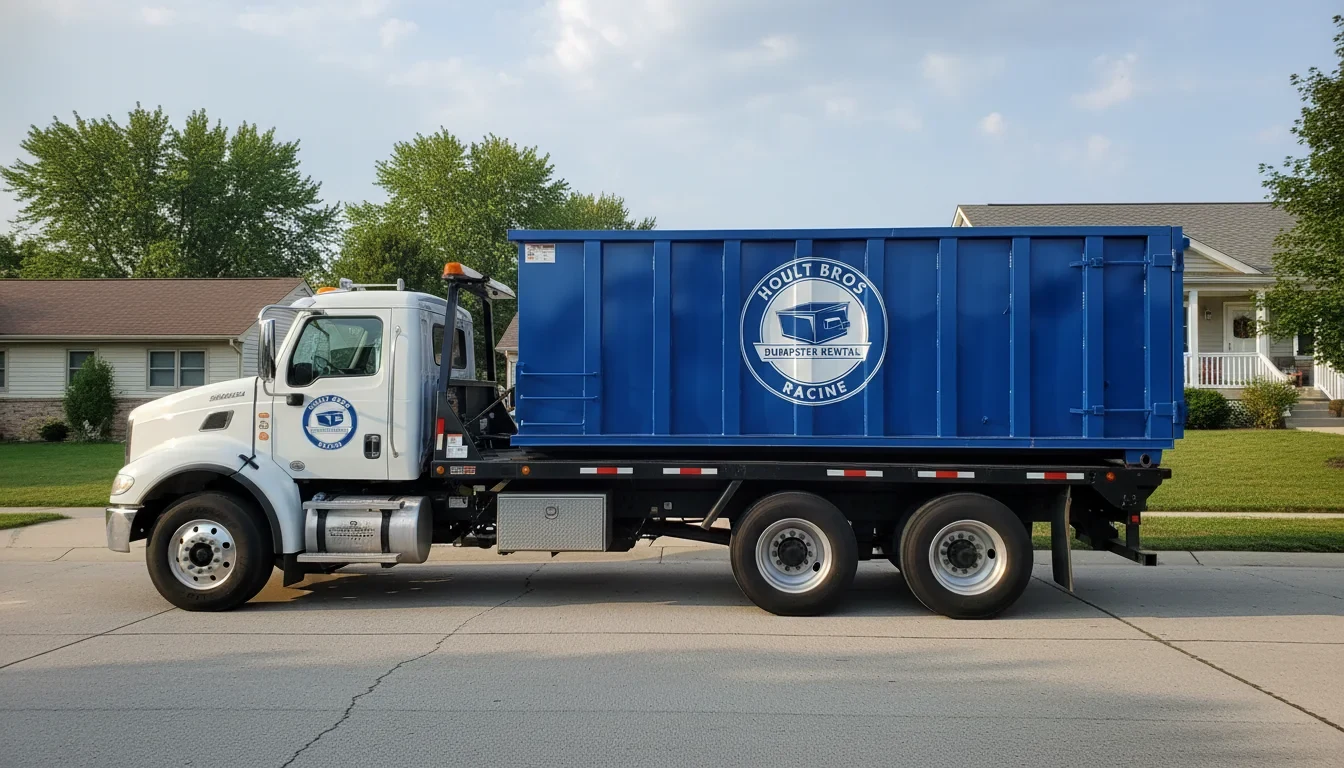
Commercial kitchen and bakery cleanouts tend to generate a specific mix: old equipment and fixtures being replaced, packaging and retail waste from day-to-day operations, and — for buildings with real age behind them — renovation debris from updating aging kitchen or storefront space. A seasonal business like a bakery ahead of the holidays often needs a short-term dumpster for a burst of packaging and prep waste that a standard weekly pickup can't absorb.
Working Around a Working Storefront
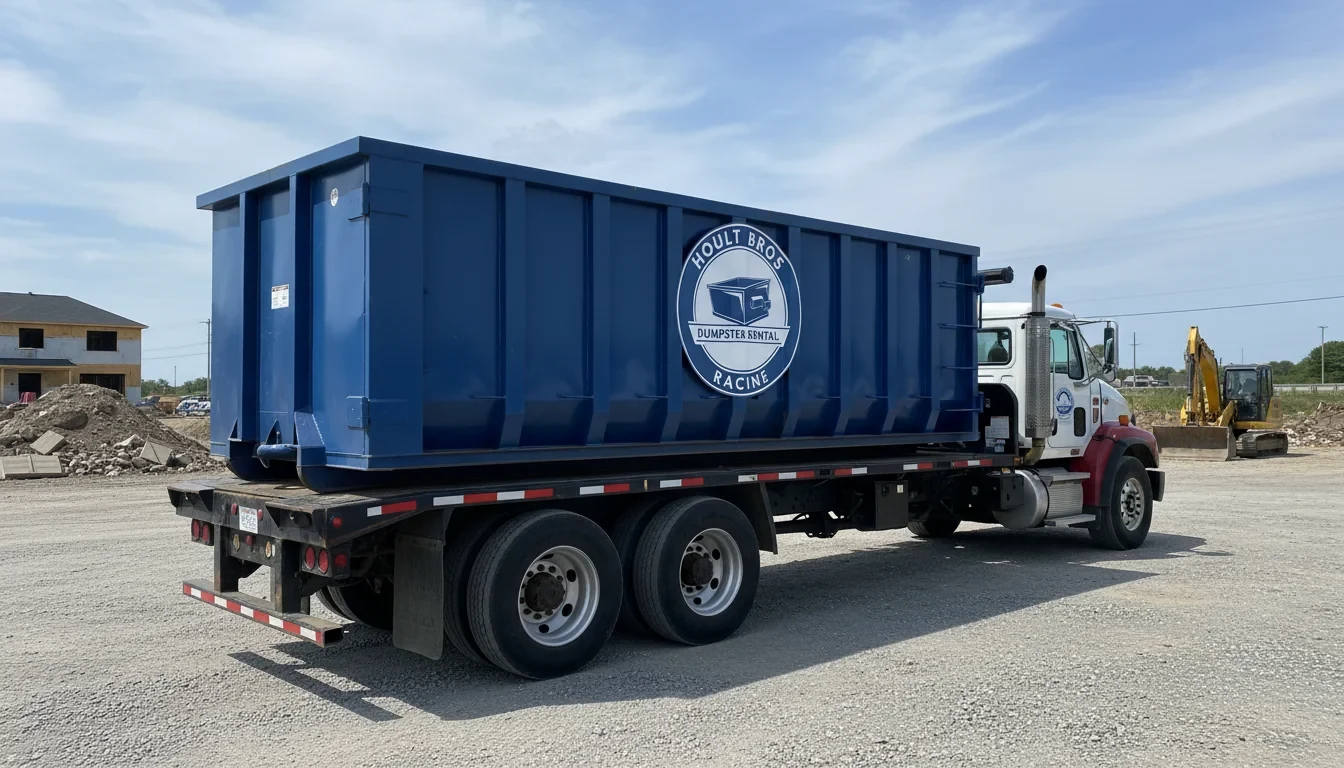
Bakeries and small storefronts generally can't close for a project the way a larger commercial space sometimes can, so scheduling delivery and pickup around business hours — and around a tight downtown or neighborhood parking situation — matters. Tell us your hours and we'll plan around them rather than dropping a container at the busiest part of your day.
Sizing for a Bakery or Small-Business Project
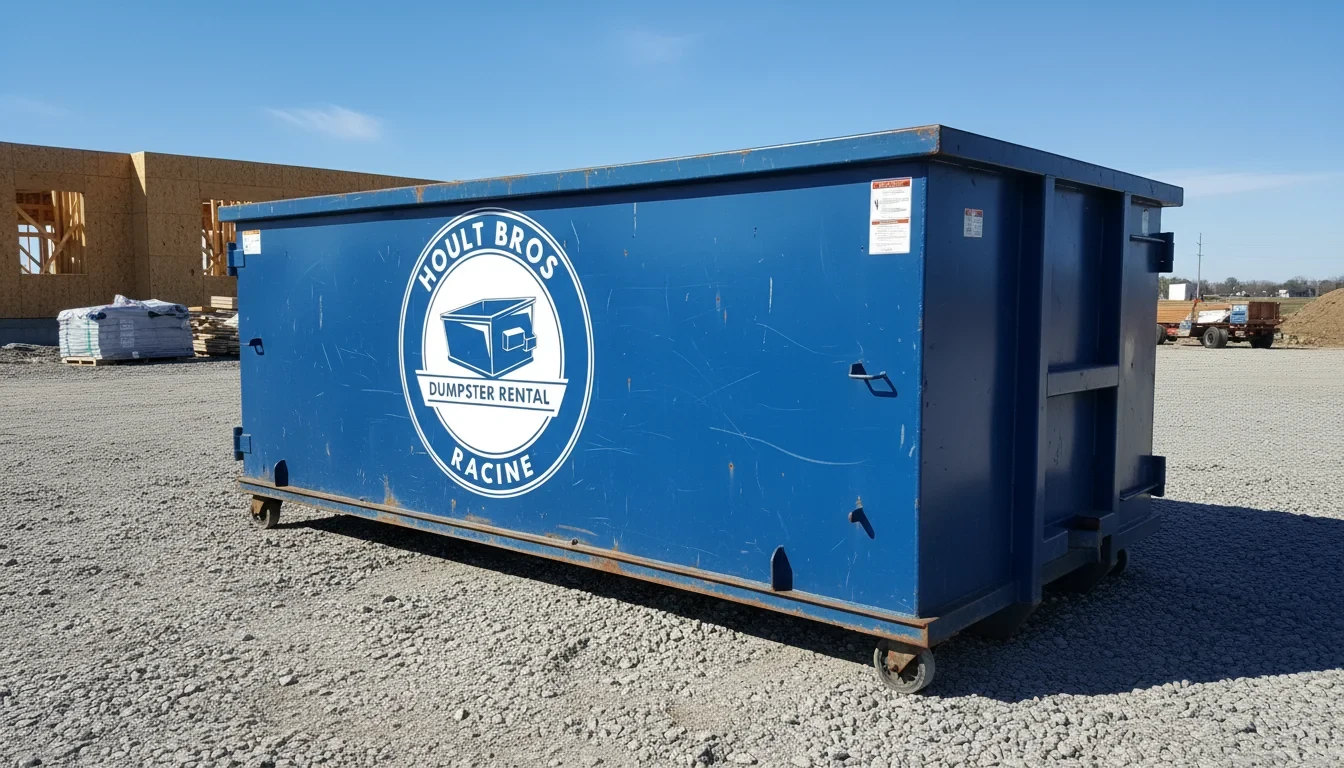
A kitchen equipment swap or a seasonal cleanout often fits a 10 or 15 yard. A fuller storefront renovation — new flooring, fixtures, a kitchen rebuild — more often calls for a 20 yard. Whatever the scope, pricing stays flat-rate, based on the size, the type of materials and how long you keep the container.